





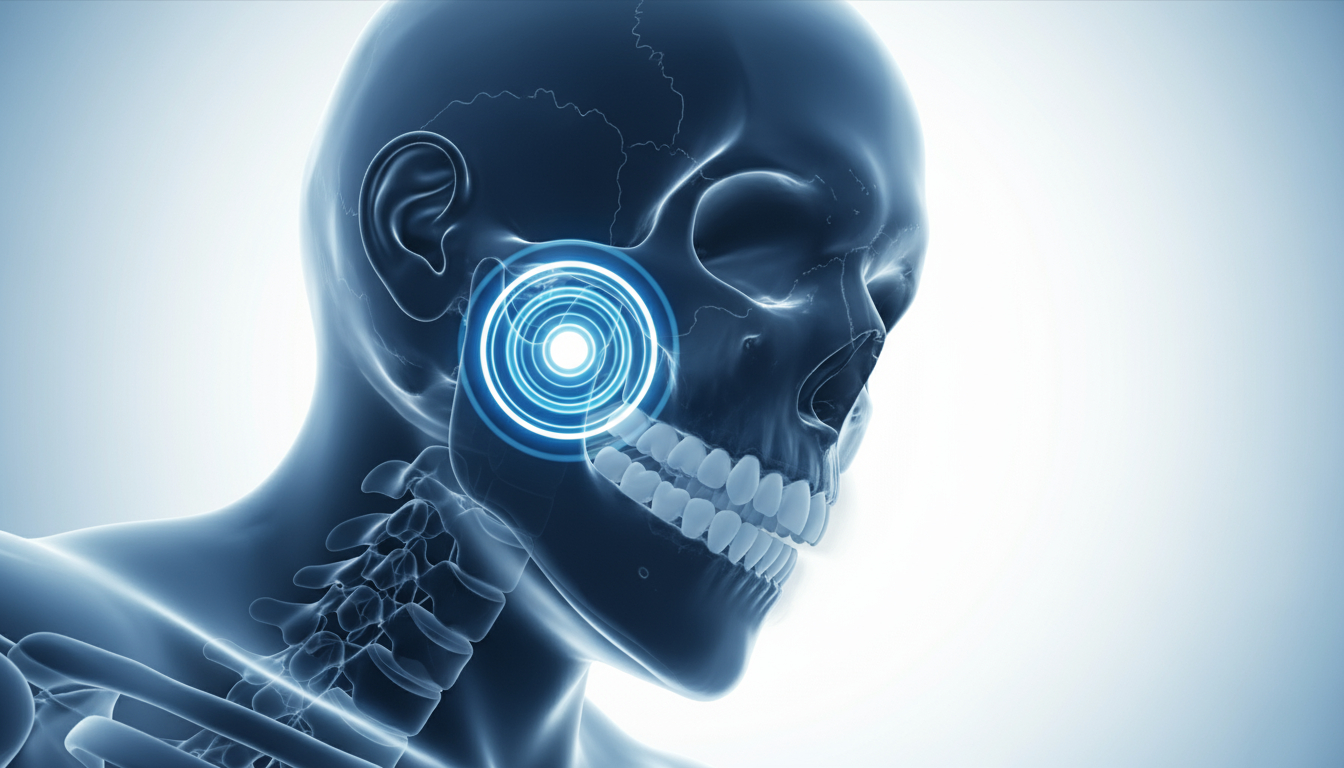
Do you often wake up with a sore jaw or a dull headache that lingers through the morning?
You might be unknowingly clenching or grinding your teeth while you sleep — a condition known as bruxism.
Although it seems harmless, untreated bruxism can lead to severe jaw pain, tooth wear, and even TMJ disorders over time.
What Is Bruxism?
Bruxism is the involuntary grinding, clenching, or gnashing of teeth — most commonly during sleep.
It’s often linked to stress, anxiety, or misaligned bite (malocclusion) and can go unnoticed for years until damage becomes visible.
Common Signs and Symptoms
Many patients discover their condition only after dental or TMJ symptoms appear.
Watch for these warning signs:
-
Morning headaches or temple pain
-
Tight or sore jaw muscles upon waking
-
Clicking or popping sounds in the jaw joint
-
Worn-down or chipped teeth
-
Tooth sensitivity to cold or pressure
-
Pain spreading to the ear or neck area
Chronic bruxism not only damages teeth — it can overload the temporomandibular joint (TMJ), leading to persistent pain and dysfunction.
How Bruxism Affects the TMJ
When the jaw muscles clench repeatedly during sleep, they place continuous stress on the TMJ.
This strain can cause:
-
Inflammation within the joint
-
Misalignment or disc displacement
-
Restricted jaw movement
-
Referred pain to the head and neck
Over time, this leads to TMJ disorders, a common cause of morning headaches and facial tension.
Professional Treatment at Smile Studios
At Dr. Thamer’s Smile Studios, treatment starts with identifying the root cause — whether muscular tension, stress, or bite imbalance.
Our modern approach may include:
-
Custom-made Night Guard: Prevents tooth wear and reduces joint pressure during sleep.
-
Physiotherapy or laser therapy: Relieves muscle tension and improves joint movement.
-
Bite adjustment or restorations: Corrects dental misalignment contributing to bruxism.
-
Stress management guidance: Helps patients relax the jaw naturally through behavioral techniques.
With a comprehensive dental and functional approach, Dr. Thamer Theeb helps patients restore comfort, protect their smile, and prevent long-term TMJ complications.
Home Care Tips for Bruxism Relief
-
Avoid chewing gum or hard foods before bed.
-
Limit caffeine and alcohol intake in the evening.
-
Apply warm compresses to relax jaw muscles.
-
Practice gentle stretching and relaxation exercises before sleep.
-
Maintain good posture during the day to reduce neck and jaw tension.
Conclusion
Bruxism may seem like a simple habit, but it’s a major contributor to morning headaches and jaw pain.
Early diagnosis and a custom night guard can make a remarkable difference in both comfort and dental health.
Don’t ignore the signs — your jaw deserves rest, too.
Dr.Thamer’s Smile Studios – Amman, Jordan
+962 7777 05555 | +962 795 739 774 | +962 6556 3811
Follow us: Instagram | Facebook