





Introduction
Many people suffer from frequent headaches and assume the cause is stress, vision problems, or even migraines.
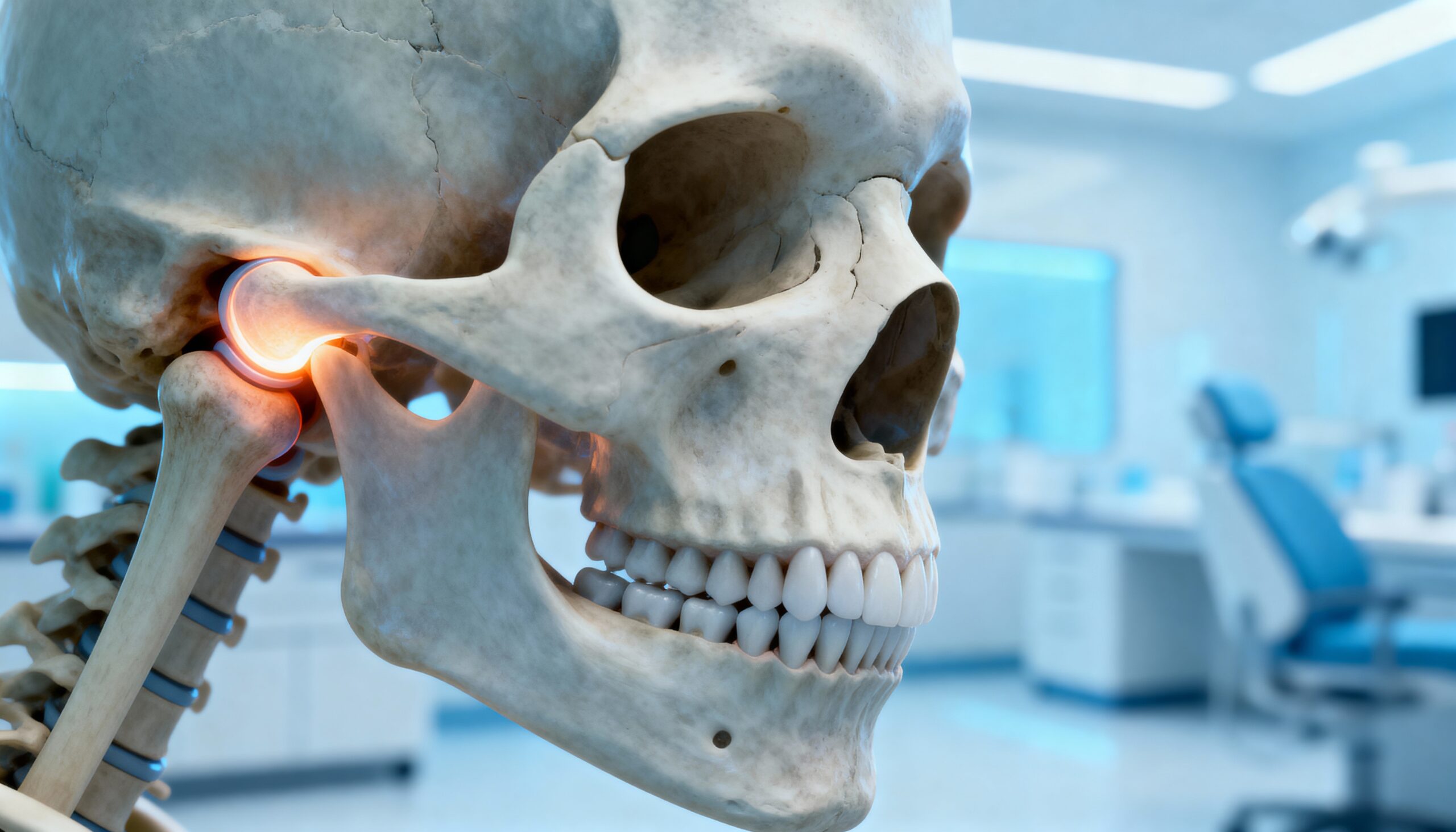
But in reality, the pain might be coming from a less obvious place — the Temporomandibular Joint (TMJ), which connects your jawbone to your skull.
When this joint becomes strained or misaligned, it can trigger a variety of symptoms that affect the entire head and face.
How the TMJ Causes Headaches
When the TMJ is under pressure or misaligned, the surrounding muscles tighten, irritating the nerves that run through the jaw, head, and neck.
This leads to:
-
Persistent headaches that worsen when chewing or talking
-
Pain that radiates from the jaw to the ear or behind the eyes
-
A feeling of tension or heaviness on one side of the head
In many cases where medication doesn’t relieve chronic headaches, the root cause may actually lie in the jaw joint.
Signs Your Headache May Be TMJ-Related
Here are common symptoms that indicate your headache could be linked to TMJ dysfunction rather than a neurological issue:
-
Clicking or popping sound when opening the mouth
-
Difficulty opening or closing the jaw fully
-
Jaw pain or tightness upon waking
-
Pain behind the ear not associated with infection
-
Muscle stiffness in the face or neck
Diagnosis at Smile Studios – Dr. Thamer Theeb
At Dr. Thamer’s Smile Studios, diagnosis begins with a thorough evaluation that includes:
-
Functional jaw movement analysis using advanced digital systems.
-
3D CBCT imaging to visualize the joint and surrounding structures.
-
Behavioral assessment of habits such as teeth grinding or sleeping posture.
Treatment Options
The goal of TMJ treatment is to restore balance and comfort in the joint and muscles.
Depending on the severity, treatment may include:
-
A custom-made Night Guard to protect teeth and reduce joint pressure.
-
Physical or laser therapy to relax tight muscles and improve mobility.
-
Bite adjustment or restorative dental work to correct imbalances.
-
Stress management techniques such as relaxation exercises or therapeutic massage.
Home Care Tips for Relief
To support recovery and prevent flare-ups:
-
Avoid chewing gum or hard foods.
-
Apply warm compresses to the jaw for 10 minutes daily.
-
Avoid opening your mouth excessively wide when yawning.
-
Practice gentle stretching and relaxation for jaw and neck muscles.
Conclusion
TMJ disorders are a hidden but common cause of headaches and facial pain — yet they are highly treatable.
Early diagnosis and proper management can relieve discomfort, improve jaw function, and enhance your overall quality of life.
📍 Doctor Thamer’s Smile Studios – Amman, Jordan
📞 +962 7777 05555 | +962 795 739 774 | +962 6556 3811
🌐 www.drthamer.com
📱 Follow us: Instagram | Facebook